

wilmabagot7955
About wilmabagot7955
Revolutionizing Aero Private Flights: The Future of Air Travel
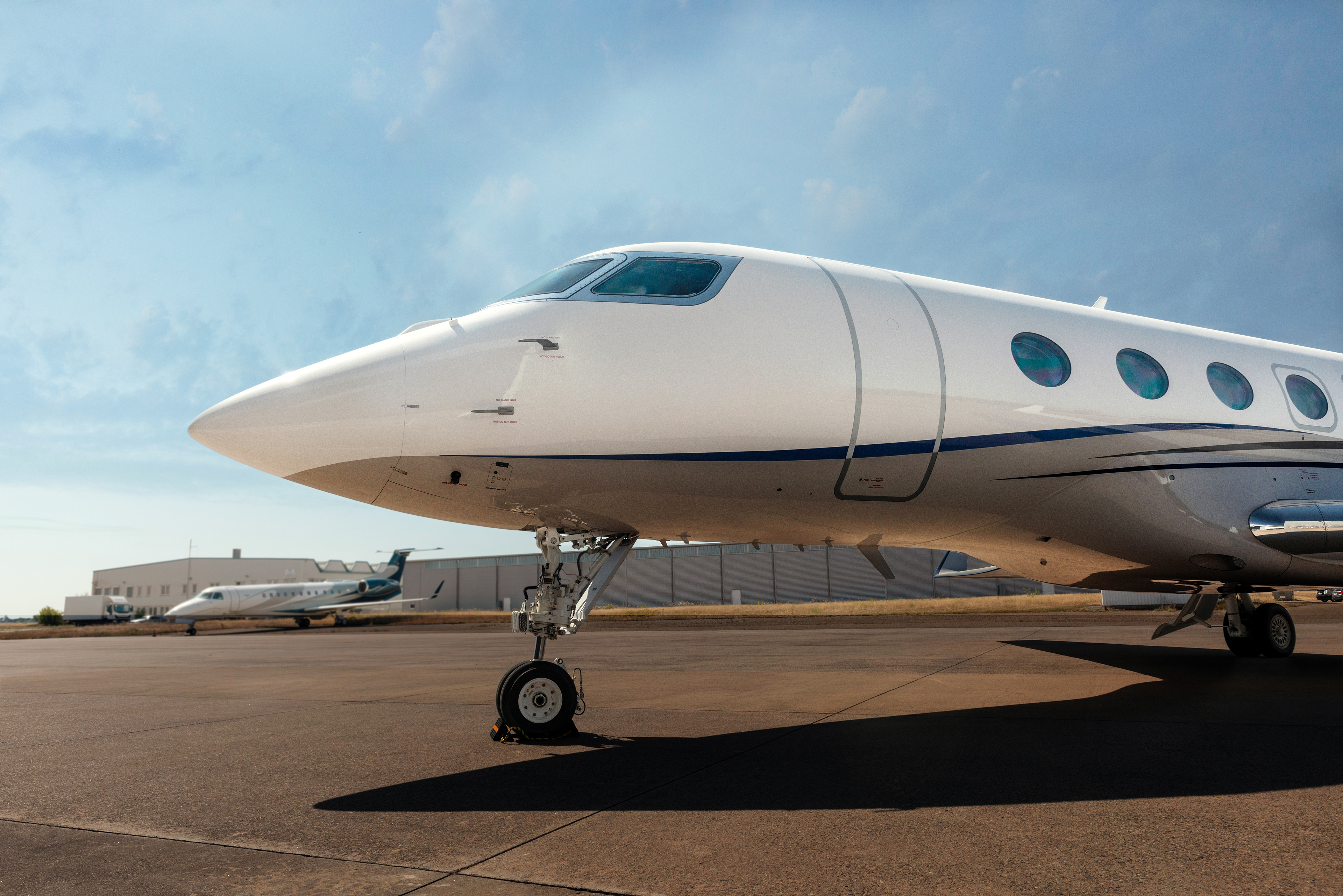
In recent years, the landscape of private aviation has undergone a remarkable transformation, driven by advancements in technology, changing consumer preferences, and a growing emphasis on sustainability. The evolution of aero private flights is not just about luxurious travel; it reflects a broader shift towards efficiency, accessibility, and environmental responsibility. This article explores the current advancements in private aviation, highlighting innovations that enhance the overall flying experience while addressing the challenges of modern air travel.
The Rise of Electric and Hybrid Aircraft
One of the most significant advancements in private aviation is the development of electric and hybrid aircraft. As the aviation industry grapples with its carbon footprint, manufacturers are investing heavily in sustainable aviation technologies. Companies like Pipistrel, Bye Aerospace, and Ampaire are at the forefront of this revolution, creating aircraft that utilize electric propulsion systems to reduce emissions and operational costs.
Electric aircraft, such as the Pipistrel Alpha Electro, offer a glimpse into the future of private flying. These planes are designed primarily for short-distance travel and are ideal for flight training or regional travel. By utilizing electric motors, they produce significantly lower noise levels and zero emissions during flight, making them an attractive option for environmentally conscious travelers.
Hybrid aircraft, on the other hand, combine traditional jet engines with electric propulsion, providing a balance between range and sustainability. The development of such aircraft is crucial for longer journeys, as fully electric planes currently face limitations in terms of battery life and range. As technology continues to evolve, we can expect hybrid models to become more prevalent in the private aviation sector.
Enhanced Connectivity and Digital Solutions
The integration of technology into private aviation has also transformed the way travelers book and experience their flights. Digital platforms and apps have streamlined the booking process, making it easier for clients to arrange flights, manage itineraries, and communicate with service providers. Companies like JetSmarter and Blade have pioneered on-demand private jet services, allowing users to book flights instantly through mobile applications.
Moreover, the rise of artificial intelligence (AI) and data analytics has enabled operators to optimize flight routes, reduce wait times, and enhance overall efficiency. Real-time data analysis allows for better decision-making regarding weather patterns, air traffic, and fuel consumption, ultimately leading to a smoother flying experience. Additionally, personalized services powered by AI can cater to individual preferences, ensuring that every flight meets the unique needs of the passengers.
The Emergence of Urban Air Mobility
Urban air mobility (UAM) is another groundbreaking advancement in the realm of private aviation. As cities become increasingly congested, the need for efficient transportation solutions has led to the development of vertical takeoff and landing (VTOL) aircraft. These innovative vehicles are designed to operate in urban environments, enabling quick and efficient travel between city centers and suburban areas.
Companies like Uber Elevate, Volocopter, and Joby Aviation are leading the charge in UAM, working on electric VTOL aircraft that can transport passengers short distances within urban settings. These aircraft promise to reduce travel times significantly, providing a viable alternative to ground transportation and alleviating traffic congestion. As regulatory frameworks evolve and infrastructure is developed to support UAM, we can expect to see these aircraft in operation within the next few years.
The Focus on Safety and Security
Safety and security remain paramount in the private aviation sector. Recent advancements in technology have led to enhanced safety measures, including advanced cockpit systems, improved navigation tools, and more rigorous maintenance protocols. Modern private jets are equipped with state-of-the-art avionics that provide pilots with real-time data, enhancing situational awareness and decision-making capabilities.
Additionally, the use of biometric identification and advanced security screening processes is becoming more common in private aviation. These measures not only streamline the boarding process but also enhance security by ensuring that only authorized individuals have access to aircraft. As the industry continues to adapt to evolving security challenges, we can expect ongoing improvements in safety protocols.
Sustainability Initiatives and Carbon Offsetting
As environmental concerns take center stage, the private aviation industry is increasingly focused on sustainability initiatives. Many operators are adopting carbon offsetting programs, allowing passengers to contribute to environmental projects that mitigate the carbon emissions associated with their flights. These initiatives range from reforestation efforts to investments in renewable energy projects, providing travelers with a way to balance their carbon footprint.
Furthermore, the development of sustainable aviation fuels (SAFs) is gaining traction within the industry. SAFs are produced from renewable resources and can significantly reduce greenhouse gas emissions compared to traditional jet fuels. Major airlines and private jet operators are beginning to incorporate SAFs into their fuel supply chains, signaling a commitment to sustainability and environmental stewardship.
A New Era of Customization and Luxury
Private aviation has always been synonymous with luxury, and current advancements are taking this to new heights. If you liked this short article and you would certainly such as to get more facts regarding privatejetscharter.review kindly go to the page. Modern private jets are equipped with cutting-edge technology and customizable features that cater to the unique preferences of each traveler. From personalized in-flight entertainment systems to gourmet catering options, the focus on providing an exceptional experience is stronger than ever.
Moreover, the rise of fractional ownership and jet card programs has made private flying more accessible to a wider audience. These models allow individuals to purchase a share of an aircraft or pre-purchase flight hours, reducing the barriers to entry for those who may not be able to afford full ownership. As a result, more travelers can enjoy the benefits of private aviation without the associated costs of owning a jet.
Conclusion
The advancements in aero private flights reflect a dynamic and evolving industry that prioritizes sustainability, efficiency, and passenger experience. From the development of electric and hybrid aircraft to the rise of urban air mobility and enhanced digital solutions, the future of private aviation is bright. As technology continues to reshape the way we travel, the private aviation sector is poised to become more accessible, environmentally friendly, and customer-centric than ever before. With these innovations paving the way, the dream of seamless and sustainable air travel is becoming a reality, promising an exciting future for private flying.
No listing found.